The Duty of Heat Transfer Solutions in Sustainable Power Solutions for the Future
Heat transfer systems are necessary in the mission for sustainable power remedies. They maximize thermal energy administration, enhancing the performance of renewable technologies. By employing devices like convection, transmission, and radiation, these systems minimize energy losses. Their duty in solar thermal and geothermal applications is particularly substantial. As innovations arise, the capacity for additional innovations raises vital inquiries regarding future power techniques. What advancements will form the landscape of lasting power?
Comprehending Heat Transfer Equipments

The Importance of Thermal Power Management
Efficient thermal energy management is crucial for optimizing energy efficiency and reducing waste in numerous systems. By managing temperature and maximizing Heat transfer processes, organizations can considerably reduce energy intake and operational costs. Efficient administration involves the execution of sophisticated innovations and techniques that check and regulate thermal problems within systems, making sure that energy resources are made use of successfully. On top of that, correct thermal energy administration adds to lowering greenhouse gas discharges, straightening with international sustainability objectives. It likewise improves system dependability and performance, leading to enhanced product quality and longer tools life expectancy. Eventually, focusing on thermal power administration is a crucial action in the direction of producing a lot more sustainable power solutions and fostering a responsible strategy to power usage in residential and commercial contexts.
Applications of Heat Transfer in Renewable Energy
While various eco-friendly power resources guarantee sustainability, the reliable application of Heat transfer plays a vital duty in their efficiency. In wind energy systems, Heat transfer is used for generator element air conditioning, improving efficiency and long life. Geothermal power depends on effective Heat exchange in between the planet's subsurface and the fluid flowing in the system, maximizing energy removal. Biomass power processes likewise benefit from Heat transfer, as it helps in transforming natural products into usable fuel via pyrolysis and gasification. In addition, in hydropower, preserving perfect temperatures in storage tanks can boost power outcome. Each of these applications demonstrates the important importance of Heat transfer systems in enhancing renewable energy modern technologies, eventually adding to a much more lasting power future.
Enhancing Solar Thermal Power Performance
As solar thermal power systems remain to evolve, enhancing their efficiency has actually ended up being vital for taking full advantage of power output. Breakthroughs in Heat transfer technologies, such as improved thermal storage products and innovative Heat exchangers, play a significant function in boosting efficiency. By using advanced products that have superior thermal conductivity, systems can record and transfer Heat extra properly. Furthermore, incorporating tracking systems that comply with the sun's path warranties that collectors receive excellent solar direct exposure throughout the day. Utilizing nanotechnology in solar absorbers can additionally raise energy absorption rates. Integrating automated control systems assists control temperature levels and handle power distribution successfully, leading to lowered losses and improved total system performance. These improvements lead the way for even more lasting solar thermal power solutions in the future.
Geothermal Home Heating: A Sustainable Solution
Geothermal home heating provides a practical choice for sustainable power, supplying substantial ecological advantages via reduced greenhouse gas exhausts. Its effectiveness and cost-effectiveness make it an appealing choice to traditional furnace. Nonetheless, challenges connected to implementation has to be dealt with to optimize its possible influence.
Environmental Advantages of Geothermal
Conventional home heating methods add significantly to greenhouse gas discharges, geothermal heating provides an engaging option that reduces ecological effect. By taking advantage of the Earth's internal Heat, geothermal systems make use of a renewable resource resource, noticeably minimizing dependence on nonrenewable fuel sources. This technique generates minimal carbon discharges, making it a cleaner alternative for commercial and residential home heating. In addition, geothermal systems advertise power effectiveness, as they require much less power contrasted to conventional furnace. DVS Heat Transfer Systems. The utilization of geothermal power also helps in decreasing air contamination, improving local air top quality and public health. As a sustainable service, geothermal heating supports environment modification mitigation initiatives, placing itself as an essential component in the change in the direction of a greener future
Effectiveness and Cost-Effectiveness
Just how does geothermal heating determine up in terms of efficiency and cost-effectiveness contrasted to traditional furnace? Geothermal home heating demonstrates superior effectiveness, typically attaining a coefficient of performance (POLICE OFFICER) of 3 to 5, indicating it generates three to 5 devices of Heat for every single system of electricity consumed. This efficiency converts into lower operating prices, especially in areas with secure geothermal sources. Initial setup expenses can be greater than conventional systems; however, long-lasting financial savings on power bills and minimized maintenance expenditures can offset these upfront financial investments. Furthermore, numerous federal governments incentivize geothermal systems via discounts and tax debts, improving their cost-effectiveness. On the whole, geothermal heating becomes a financially sensible and lasting alternative to even more conventional heating remedies.
Implementation Challenges and Solutions
Countless difficulties can hamper the widespread execution of geothermal heating unit, in spite of their clear advantages as a sustainable power service. High first setup costs often discourage investors and homeowners, making funding a substantial barrier. Additionally, the geographical limitations of appropriate geothermal websites limit accessibility in certain areas. Regional guidelines and permitting processes can also complicate task development, leading to hold-ups. Public understanding and understanding of geothermal systems remain reduced, preventing approval. To resolve these challenges, targeted education and learning projects can boost public expertise, while federal government incentives might reduce financial problems. Working together with regional authorities to simplify policies might promote smoother task approvals, ultimately promoting the adoption of geothermal home heating as a feasible, sustainable energy option.
Advancements in Heat Transfer Technologies
Technologies in Heat transfer technologies play an essential function in enhancing power performance and sustainability. Advanced Heat exchangers and stage modification products go to the center of these developments, supplying significant enhancements in thermal administration. These modern technologies not only enhance energy use but likewise add to decreasing ecological influence in different applications.
Advanced Heat Exchangers
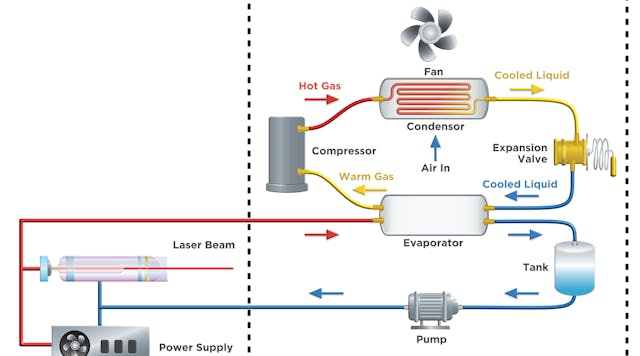
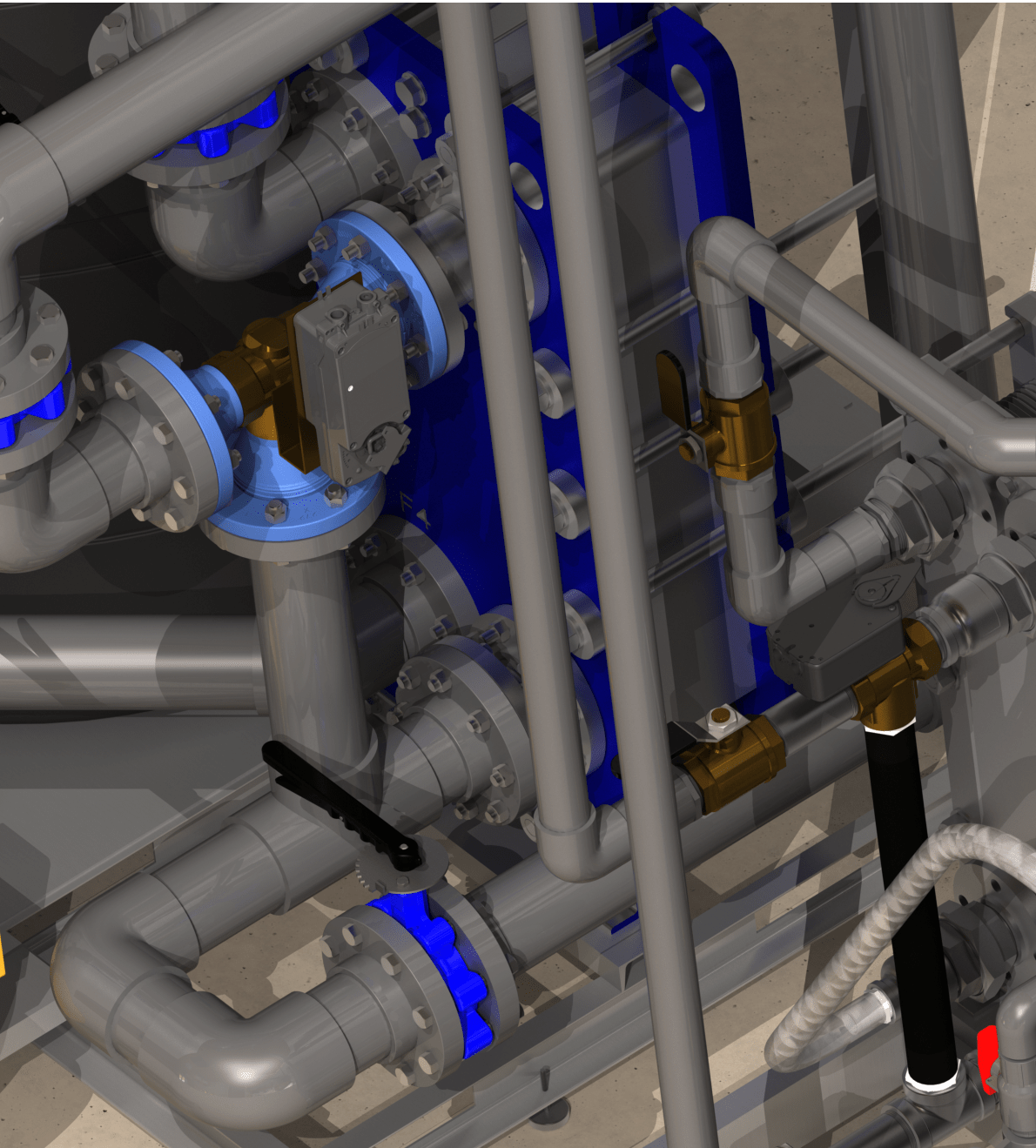
Advanced Heat exchangers play an important function in boosting energy effectiveness across numerous applications in lasting power solutions. These tools assist in the transfer of Heat between two or more fluids, Resources significantly lowering energy consumption in procedures such as industrial heating, air conditioning, and power generation. Technologies in products and layout, such as the use of nanofluids and portable arrangements, have brought about enhanced thermal performance and lowered size needs. Furthermore, innovations in electronic monitoring and control systems enable enhanced operation, more boosting performance. By minimizing waste Heat and making best use of power healing, advanced Heat exchangers contribute to decrease carbon impacts and support the shift towards environmentally pleasant innovations. Their proceeded advancement is essential for accomplishing international power sustainability goals.
Phase Modification Products
The integration of stage modification products (PCMs) into Heat transfer modern technologies stands for a considerable advancement in power monitoring and performance. PCMs soak up and launch thermal energy throughout their stage changes, enabling reliable temperature level regulation in structure materials and energy systems. By keeping excess Heat throughout top durations and releasing it when need increases, PCMs add to pack shifting and power conservation - DVS Heat Transfer Systems. This capability enhances the efficiency of renewable resource systems, specifically in solar thermal applications. In addition, PCMs can improve the thermal convenience of interior atmospheres, decreasing reliance on traditional heating and cooling down approaches. As technologies in PCM formulations proceed to emerge, their function in sustainable power solutions is poised to expand, using encouraging opportunities for future study and application
Future Prospects for Heat Transfer in Lasting Energy
As the need for sustainable power solutions remains to rise, the function of Heat transfer systems is ending up being significantly crucial fit future innovations. Innovations in styles and products are expected to improve effectiveness in Heat transfer, lowering energy losses in numerous applications. The assimilation of sophisticated thermal storage space systems, such as stage modification materials and thermochemical storage, will make it possible for better administration of power sources. Research into nanofluids and biomimetic Heat exchangers might further enhance thermal efficiency. The fostering of smart innovations will allow for real-time monitoring and flexible control of Heat transfer processes. These advancements are poised to significantly add to the general performance and sustainability of power systems, leading the way for a more energy-efficient future.
Frequently Asked Questions
Just How Can Individuals Implement Heat Transfer Systems in the house?

People can implement Heat transfer systems at home by investigate this site mounting energy-efficient devices, making use of radiant heat, and maximizing insulation. These measures enhance power effectiveness, reduce prices, and promote sustainable practices in property settings.
What Are the Expenses Associated With Installing Heat Transfer Systems?
The costs connected with setting up Heat transfer systems differ widely, typically incorporating tools, installment labor, and maintenance. Variables such as system type, home size, and local policies considerably influence the total expenditure entailed.
Are There Government Incentives for Heat Transfer System Installations?
Federal government motivations for Heat transfer system installments differ by area and can consist of tax obligation credits, grants, and refunds. These monetary benefits intend to encourage adoption, inevitably promoting power efficiency and minimizing ecological effect within areas.
Just How Do Heat Transfer Solutions Effect Energy Bills?
Heat transfer systems especially influence power costs by maximizing power performance. By improving the transfer of Heat, these systems reduce energy intake, resulting in lower utility costs and developing a much more lasting approach to energy administration.
What Upkeep Is Needed for Heat Transfer Systems?
Upkeep for Heat transfer systems includes routine evaluations, cleansing of components, examining liquid levels, making sure correct insulation, and changing worn parts. These tasks help preserve performance, stop break downs, and prolong the system's functional life expectancy.
These systems facilitate the movement of thermal power from one tool to another, allowing the transfer of Heat for cooling, energy, or home heating generation functions. Geothermal energy counts on effective Heat exchange between the earth's subsurface and the liquid circulating in the system, maximizing energy extraction. In addition, geothermal systems promote energy efficiency, as they require less energy contrasted to traditional home heating systems. Advanced Heat exchangers play an important function in improving power effectiveness across different applications in click this sustainable power remedies. Heat transfer systems significantly influence power costs by maximizing energy performance.